


Why The Scale Isn’t Moving (And Why That’s Okay)
Your scale weight can stay steady during fat loss because muscle gain, water retention, and glycogen storage can offset or hide changes in body fat What could be the reasons for not losing weight… Wei…
Read More »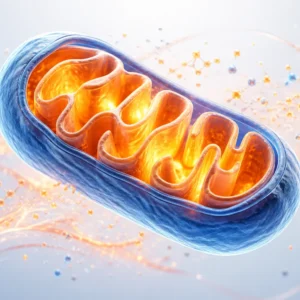
The Science of Metabolism: How to Speed It Up
Metabolism can be influenced, but no intervention guarantees a permanent increase in BMR. Resistance training and protein support muscle-related energy use, HIIT can raise post-exercise metabolism, co…
Read More »
Sustainable Weight Loss: Why Crash Diets Fail
Crash diets and sustainable calorie-deficit approaches produce very different trade-offs: crash diets can bring rapid initial loss but are associated with hunger, muscle loss, slower metabolism and re…
Read More »
How to Stay in a Calorie Deficit Without Being Miserable
Staying in a calorie deficit without misery usually means choosing a moderate 300–500-calorie daily reduction, prioritizing protein and fiber, eating regular meals, and combining walking with at least…
Read More »
Why the Scale Isn’t Moving (And Why That’s Okay)
The scale can stay unchanged despite fat loss because water, food, sodium, carbohydrates, exercise, hormones and muscle affect weight readings. Normal daily swings can reach two to four pounds, while…
Read More »