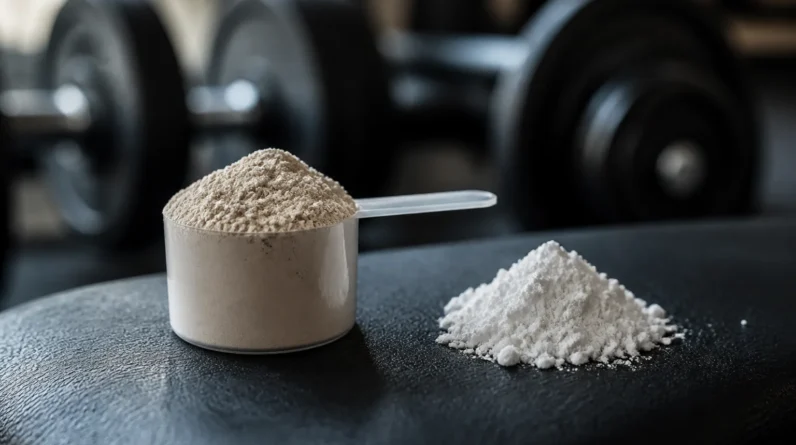
If you are looking for the best supplements for muscle gain, this guide breaks down what the available claims actually support, from protein and creatine to beta-alanine and vitamin D.
Whey protein and creatine have the clearest support among the muscle-building supplements covered here: protein supports muscle protein synthesis, while creatine is described as well-researched for strength, power, and muscle mass. A cited protein target is at least 1.7 grams per kilogram of body weight daily for strength, power, and bodybuilding athletes. Supplements remain optional alongside resistance training and proper nutrition.
- The review suggests at least 1.7 grams of protein per kilogram of body weight per day for strength, power, and bodybuilding athletes, including on non-training days .
- Creatine guidance includes 3–5 grams per day .
- Beta-alanine is reported to improve performance in high-intensity exercise .
- The cited review concluded that vitamin D supplementation had no impact on muscle gain or strength .
In this guide, we break down the best supplements for muscle gain based on research.
Keep reading to discover which best supplements for muscle gain are worth your money.
Which of the best supplements for muscle gain have the strongest evidence?
Protein and creatine have the clearest support in the available claims, but neither replaces resistance training and sound nutrition. Proper nutrition is described as a fundamental complement to resistance training for maintaining and growing skeletal muscle, and protein is identified as a strong stimulus for muscle protein synthesis.Creatine is described as one of the best-researched supplements for strength, power, and muscle mass .
The evidence is less supportive for some alternatives: quercetin research is described as early, while a review of randomized controlled trials concluded vitamin D supplementation had no impact on muscle gain or strength .The available claims don’t establish whether BCAAs add benefits when your daily protein intake is already adequate.
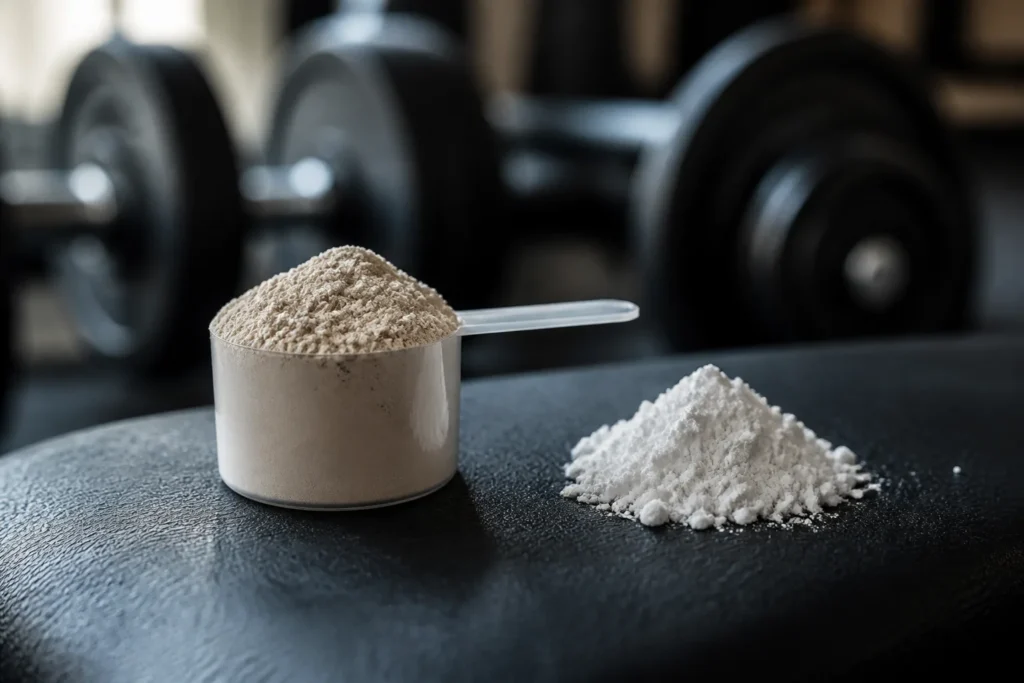
How do whey protein, creatine, and other popular muscle-building supplements compare in effectiveness?
Whey is often listed among the best supplements for muscle gain when combined with resistance training.
Whey protein and creatine are described as working in different ways: whey stimulates muscle protein synthesis, while creatine can increase exercise capacity . Creatine monohydrate is among the most studied forms. Beta-alanine is reported to improve performance during high-intensity exercise lasting to minutes, but that claim doesn’t establish a muscle-gain effect .
Whey is one of the most popular and best supplements for muscle gain for beginners and athletes.
The review reports DIAAS values of 1.09 for whey isolate and 1.18 for whey concentrate, but the available claims don’t show that a higher value predicts greater muscle gain . BCAA benefits for muscle gain are also unknown from these claims. Vitamin D supplementation showed no impact on muscle gain or strength in the cited review.
The table compares what the available evidence says about each option; it doesn’t rank products or establish that every supplement is effective.
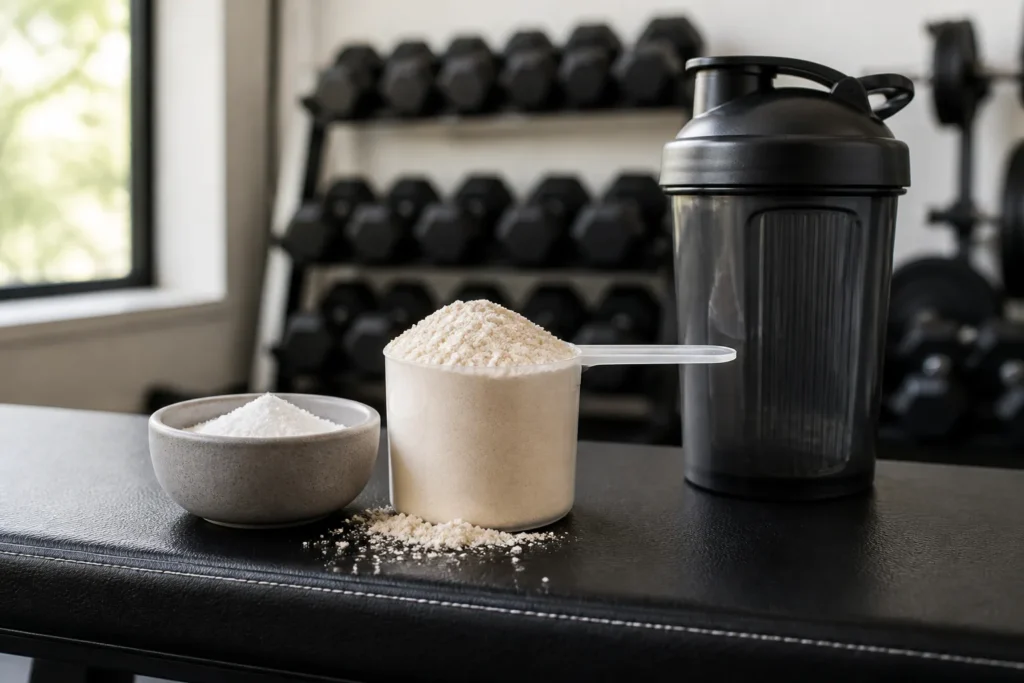
What daily doses of creatine and protein are supported by research for muscle gain?
Creatine monohydrate is consistently ranked as one of the best supplements for muscle gain for strength and power.
Many experts agree creatine is one of the best supplements for muscle gain when combined with strength training.
For strength, power, and bodybuilding athletes, the review suggests at least 1.7 grams of protein per kilogram of body weight each day, including on non-training days . For an athlete seeking muscle hypertrophy, it suggests at least grams of high-quality protein per meal, with about 2.5 grams of leucine; for a total-body session or one involving many large muscles, it gives around grams as a maximum per meal .
Creatine recommendations vary slightly: one source recommends grams daily, while other guidance gives 3–5 grams per day . An optional loading approach is grams daily for five to seven days, followed by 3–5 grams daily.
Whole-food nutrition remains part of the foundation .The available claims don’t provide calorie or carbohydrate targets for gaining muscle.
Many studies show that the best supplements for muscle gain work best when combined with enough calories.
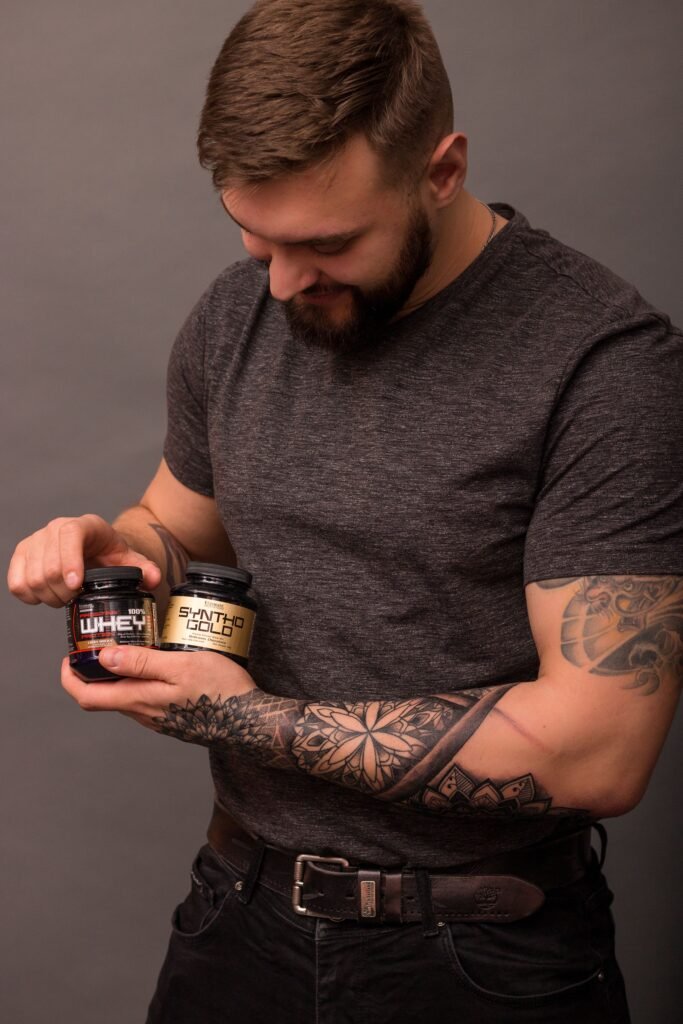
When should muscle-building supplements be taken, and do timing and workout days matter?
For protein, adequate total intake and protein quality matter more than precise timing, and whey can be taken whenever it conveniently helps you meet your intake . One recommendation suggests 20–30 grams of whey immediately after workouts or as a protein boost during the day .
Creatine guidance emphasizes daily dosing; loading is optional, and skipping it may mean waiting up to four weeks to notice a difference . Taking creatine with a carbohydrate- or protein-based meal may help absorption . The available claims don’t establish that a particular workout-day timing produces greater muscle gain.
Some sources suggest casein before bed, BCAAs before or during training, and L-citrulline before a workout, but those timing suggestions aren’t evidence here of a muscle-gain advantage.
Video: Short explainer on consistent daily dosing and the timing guidance described above.
How can you compare supplement labels, serving sizes, third-party testing, and cost per effective dose?
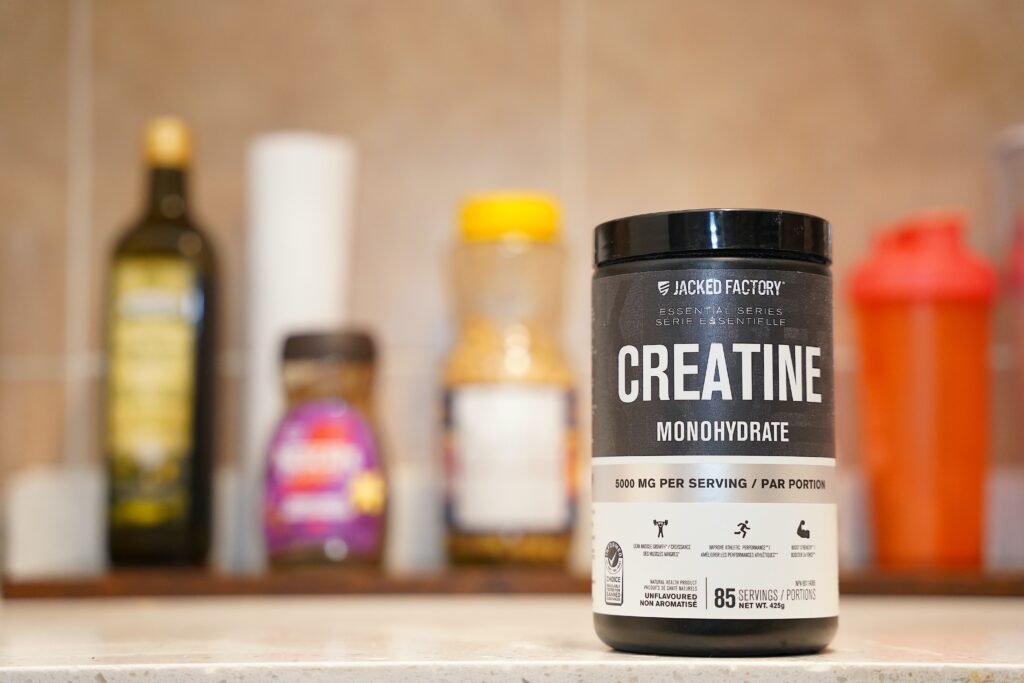
Start by checking how much of the named ingredient each serving provides, then compare it with the daily dose you intend to use. Two listed creatine products provide grams of creatine per serving .
Label claims aren’t a guarantee of exact contents: the FDA doesn’t regulate the accuracy of supplement contents, and a product may contain more or less than its label states or include other ingredients . Full-disclosure labeling and accessible third-party test results are quality checks described in the claims, but they don’t prove that a product increases muscle .
One 30-serving product listing showed a price of $49.99, with a buy-one-get-one 50% off offer . The available information isn’t enough to compare cost per effective dose across products. It also doesn’t establish contamination rates, so don’t treat testing claims as a quantified guarantee.
What side effects, interactions, or health conditions should you consider before taking muscle-building supplements?
Creatine may cause fluid retention and gastrointestinal issues, among other reported risks . Some people retain a couple of pounds of fluid in the first week, though the cited account says studies of long-term use don’t show persistent extra water retention . People with kidney disease should consult a doctor before taking creatine, and the claims also advise caution for pre-existing kidney conditions. The Cleveland Clinic says creatine may increase mania risk in people with bipolar disorder .
High protein intake may cause digestive discomfort, and whey may not suit people with lactose intolerance because it contains dairy . Consult a healthcare provider before starting supplements, particularly if you take medication for a chronic condition .
The available claims don’t specify interactions with particular medicines, including metformin, or establish contamination rates. Ask a clinician about your own health conditions and medications rather than assuming a supplement is suitable.
How much muscle can you realistically gain from supplements when training and diet are consistent?
The available claims don’t provide a reliable amount of muscle gain attributable to supplements. One page says users may notice improvements in muscle size and strength within 4–6 weeks alongside training and nutrition, but it doesn’t quantify the change .
Creatine combined with resistance training is described as supporting strength, power, training performance, and increases in lean muscle mass . That describes a possible contribution alongside training, not a guaranteed result from taking creatine alone. Muscle can also be built through training and nutrition without supplements .
The claims don’t provide a muscle-gain estimate for progressive training or a practical calorie target. Set expectations around consistent resistance training and nutrition; don’t use an unquantified timeline as a promise of how much muscle you’ll gain.
What should beginners remember about supplements for muscle gain?
If you’re new to muscle-building supplements, prioritize resistance training, whole-food nutrition, and enough protein before treating a supplement as necessary. Proper nutrition complements resistance training for skeletal muscle growth, and protein supports muscle protein synthesis . Muscle can be built through training and nutrition alone .
Among the options covered here, protein and creatine have the clearest support in the available claims . That doesn’t mean every product or combination will produce extra gains. Evidence for some other products is limited, and the cited review reports no impact of vitamin D supplementation on muscle gain or strength .
Choose a supplement only if it fills a practical need, compare its ingredient amount with the supported daily guidance, and check safety considerations that apply to you. Keep expectations realistic: the claims don’t quantify a guaranteed supplement-driven muscle gain.
| Source | Daily dose |
|---|---|
| shred.app | 5 grams |
| health.osu.edu | three to five grams daily |
| health.harvard.edu | three to five grams per day |
Protein intake recommendations (grams) across sources (compiled from sources)
| Source | Context | Protein amount |
|---|---|---|
| shred.app | immediately after workouts | 20–30 grams of whey protein |
| healthline.com | after resistance exercise | 20–25 grams of protein |
| levelsprotein.com | after a workout for gaining lean muscle mass | around grams of whey protein |
| pmc.ncbi.nlm.nih.gov | for an athlete seeking muscle hypertrophy; per meal | at least g of high-quality protein |
| Supplement | What the available evidence says |
|---|---|
| Whey protein | Stimulates muscle protein synthesis; the available claims don’t establish that a higher DIAAS value predicts greater muscle gain . |
| Creatine | Creatine monohydrate is among the most studied forms; creatine is described as increasing exercise capacity . |
| Beta-alanine | Reported to improve performance in high-intensity exercise lasting to minutes; a muscle-gain effect isn’t established by this claim . |
| BCAAs | The available claims don’t establish their benefits for muscle gain. |
| Vitamin D | A cited review concluded supplementation had no impact on muscle gain or strength . |
If you want faster results, combining training with the best supplements for muscle gain is a smart strategy.
Key Takeaways
- Build your plan around resistance training and proper nutrition; supplements aren’t required to build muscle .
- Use the cited daily protein guidance as a reference, including on non-training days .
- Compare creatine servings with the 3–5 grams per day guidance .
- Check label details and third-party test information, but don’t treat quality checks as proof of effectiveness .
Frequently Asked Questions
Can I still build muscle on metformin?
The available claims don’t establish whether you can build muscle while taking metformin or describe a specific interaction. If you take medication for a chronic condition, consult a healthcare provider before starting supplements.
What is the best supplement for building muscle mass?
Whey protein and creatine have the clearest support among the options covered: protein supports muscle protein synthesis, and creatine is described as well-researched for strength, power, and muscle mass .
What helps build muscle fast?
The available claims don’t quantify how much muscle you can gain quickly. They identify resistance training and proper nutrition as the foundation, with supplements as optional support .
What are the top supplements to take?
The claims support protein and creatine most clearly for muscle-building goals; beta-alanine is reported to improve performance in high-intensity exercise lasting to minutes .The evidence provided doesn’t establish a third top supplement for muscle gain.
In summary, the best supplements for muscle gain work only alongside training and adequate protein intake.
For more on creatine research, see this detailed review on Examine.com
If you want to learn more, read our guides on how much protein do you really need and creatine loading phase explained.
Choosing the best supplements for muscle gain depends on your training, diet, and budget.
This list of the best supplements for muscle gain will help you choose what fits your goals and budget.